Welcome to the Official Website for the Northeast Stokes Fire & Rescue, Sandy Ridge, North Carolina
The firefighters proudly serve the citizens of the Northeast Stokes fire district
ALL CONTENT, INCLUDING ALL IMAGES AND PHOTOGRAPHYEXCEPT AS SPECIFICALLY NOTED, IS PROPERTY OFNORTHEAST STOKES VOLUNTEER FIRE & RESCUE.CONTENT PROUDLY MAINTAINED BY A VOLUNTEER
Contact Information
To Contact Chief Clark, Click link below to Email. To contact ASST. Chief Webb, Click link below to Email. To Contact the Firehouse, Click link below to
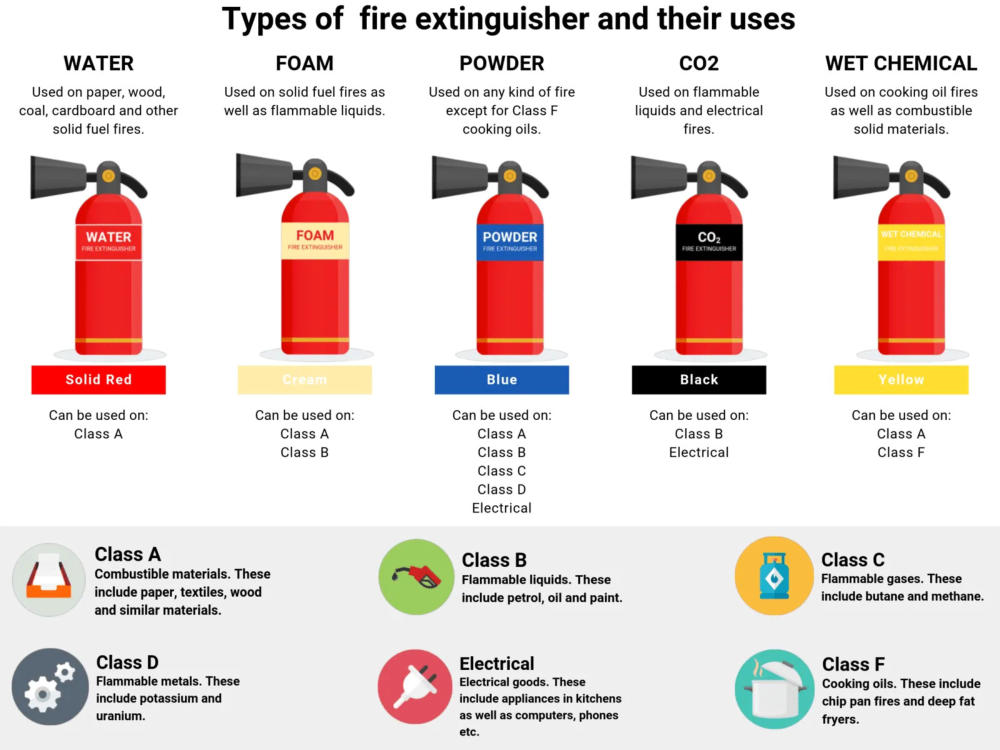
Fire classificationFires can be placed into different classes depending on what material is burning. This classification then gives usinformation on the type of fire extinguisher we should use to put out the flames.Not all fires require the same type of extinguisher and the correct type has to be used for each blaze. Different fireextinguisher types are used to differentiate the best ones to use on the type of fire you are confronting.Class AClass A fires are burning flammable solids as fuel. Examples of these include paper and wood.Extinguishers that can be used: Water, Foam, ABC Dry powder, Wet chemicalClass BClass B fires are burning flammable liquids. Examples include petrol and paint.Extinguishers that can be used: Foam, CO2 Gas, ABC Dry powderClass CClass C fires burn flammable gases. A couple of examples are propane and butane.Extinguishers that can be used: ABC Dry powderClass DClass D fires are burning flammable metals. These may include lithium or magnesium.Extinguishers that can be used: Dry Special PowderElectricalAny fire involving electrical equipment is classed as an electrical fireExtinguishers that can be used: CO2 Gas, ABC Dry powderClass FClass F fires are burning cooking oils or fat.Extinguishers that can be used: Wet chemical
So, which fire extinguisher is the right one for me?You first need to ask yourself, where will I be using the fire extinguisher?Are you concerned about a grease fire in your kitchen?Then a Class B fire extinguisher that is used on flammable liquids, such as grease, is the right one for you.Do you have a wood stove, a fire place or a fire pit?Then a Class A fire extinguisher that is used to put out fires from wood and paper is the right one for you.However, the safest thing to do is to get a combination multipurpose extinguishers that covers type A, B and C. This way, 3 out of 4 of these classes are covered.
Tips to help you use your extinguisher:Make sure you have the right class of fire extinguisher for what you need.These are relatively inexpensive so get an extinguisher for each level of your house. (Including the basement and your garage)Get an extinguisher you can lift easily by yourself.Make sure you keep it in an area that is easy to get it out in case of an emergencyTrain each member of the family on how to use itMake sure your smoke detectors have fresh batteries so they will work properly in an emergency. Change them annually and test them monthly.If you are unsure on the proper use of a Fire Extinghuisher and you live or your place of business is inside the Northeast Stokes Firedistrict you can contact the Northeast Stokes Fire & and request to have a training class scheduled (Minimum participation per class)is 8 to 10 interested individuals. Please contactAssist Chief: John WebbIf you live or your place of business is outside the district then please contactScott Aaron Fire Marshal
Family Safety Tips:
Effective Through Teamwork
5086 NC HWY 704 Sandy Ridge,NC.
Welcome to the Official Website for the
Northeast Stokes Fire & Rescue, Sandy Ridge, NC
The firefighters proudly serve the
citizens of the Northeast Stokes fire district

1(336) 871-2334
Contact Information
To Contact Chief Clark, Click link below to Email. To contact ASST. Chief Webb, Click link below to Email. To Contact the Firehouse, Click link below to Email.
ALL CONTENT, INCLUDING ALL IMAGES AND PHOTOGRAPHYEXCEPT AS SPECIFICALLY NOTED, IS PROPERTY OFNORTHEAST STOKES VOLUNTEER FIRE & RESCUE.CONTENT PROUDLY MAINTAINED BY A VOLUNTEER
Fire classificationFires can be placed into differentclasses depending on what materialis burning. This classification thengives us information on the type offire extinguisher we should use toput out the flames.Not all fires require the same typeof extinguisher and the correct typehas to be used for each blaze.Different fire extinguisher types areused to differentiate the best ones touse on the type of fire you areconfronting.Class AClass A fires are burning flammablesolids as fuel. Examples of theseinclude paper and wood.Extinguishers that can be used:Water, Foam, ABC Dry powder,Wet chemicalClass BClass B fires are burning flammableliquids. Examples include petroland paint.Extinguishers that can be used:Foam, CO2 Gas, ABC Dry powderClass CClass C fires burn flammable gases.A couple of examples are propaneand butane.Extinguishers that can be used:ABC Dry powderClass DClass D fires are burning flammablemetals. These may include lithiumor magnesium.Extinguishers that can be used:Dry Special PowderElectricalAny fire involving electricalequipment is classed as an electricalfireExtinguishers that can be used:CO2 Gas, ABC Dry powderClass FClass F fires are burning cookingoils or fat.
Extinguishers that can be used: Wet chemical

So, which fire extinguisher is the rightone for me?You first need to ask yourself, where will I be using thefire extinguisher?Are you concerned about a grease fire inyour kitchen?Then a Class B fire extinguisher that is used onflammable liquids, such as grease, is the right one for you.Do you have a wood stove, a fire placeor a fire pit?Then a Class A fire extinguisher that is used to put outfires from wood and paper is the right one for you.However, the safest thing to do is to get a combinationmultipurpose extinguishers that covers type A, B and C.This way, 3 out of 4 of these classes are covered.
Tips to help you use your extinguisher:Make sure you have the right class of fire extinguisher for what you need.These are relatively inexpensive so get an extinguisher for each level of your house. (Including the basement and your garage)Get an extinguisher you can lift easily by yourself.Make sure you keep it in an area that is easy to get it out in case of an emergencyTrain each member of the family on how to use itMake sure your smoke detectors have fresh batteries so they will work properly in an emergency. Change them annually and test them monthly.If you are unsure on the proper use of a Fire Extinghuisher and you live or your place of business is inside the Northeast Stokes Firedistrict you can contact the Northeast Stokes Fire & and request to have a training class scheduled (Minimum participation per class)is 8 to 10 interested individuals. Please contactAssist Chief: John WebbIf you live or your place of business is outside the district then please contactScott Aaron Fire Marshal